
The Crucial Role of Bees in UK Pollination and How to Safely Manage Hive Encounters

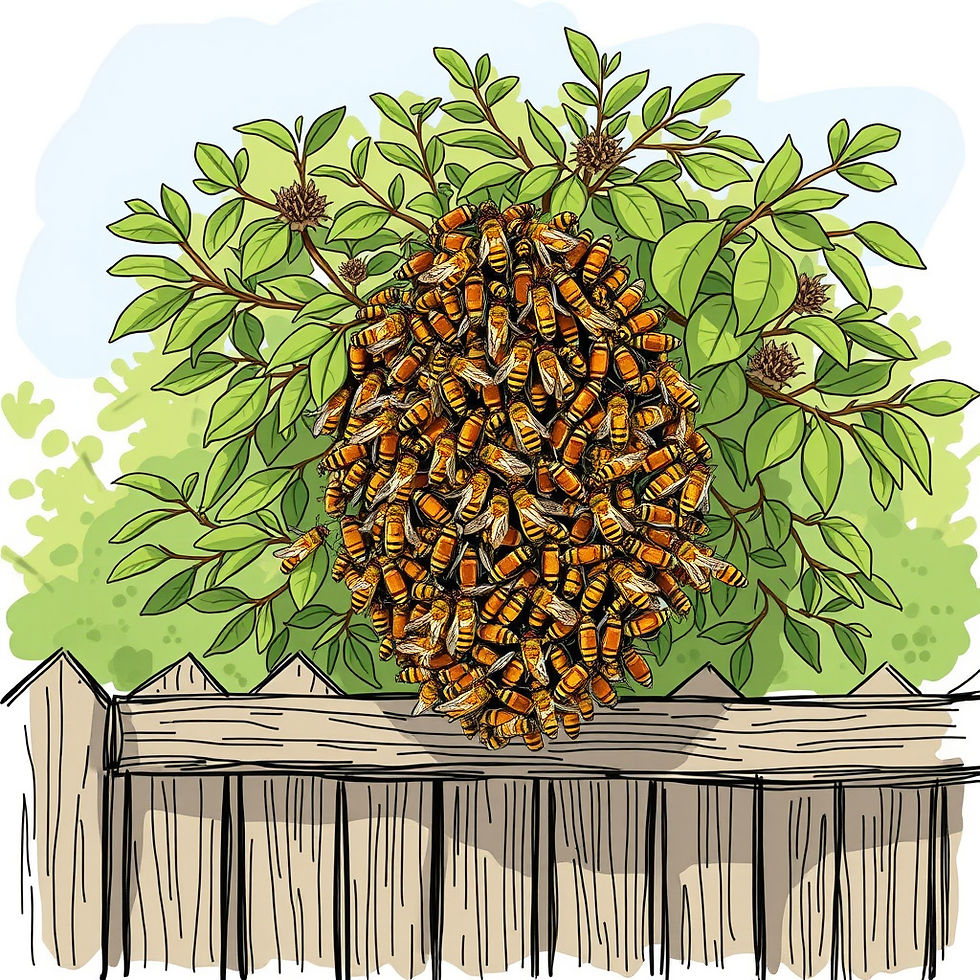
Bees play a vital role in the UK’s natural environment and agriculture. Without their pollination work, many of the fruits, vegetables, and flowers you enjoy would struggle to grow. Yet, if you find a bee hive on your property, it can be worrying. Knowing how to handle this situation safely helps protect both you and the bees, ensuring they continue their important work.
Why Bees Matter for Pollination in the UK
Bees are among the most effective pollinators in the UK. They transfer pollen from one flower to another, allowing plants to produce seeds and fruit. This process supports biodiversity and food production. Here are some key points about their role:
Pollination supports crops such as apples, strawberries, and oilseed rape, which rely heavily on bees.
Wild plants depend on bees to maintain healthy ecosystems and provide habitats for other wildlife.
Bee colonies contribute to food security by increasing crop yields and quality.
The UK has seen a decline in some bee populations due to habitat loss, pesticides, and disease. Protecting existing bee colonies and encouraging new ones is essential for a healthy environment.
Understanding Bee Swarms and Colonies
When a bee colony grows too large, it may split through a process called swarming. A bee swarm is a group of bees that leave their original hive to find a new home. Swarms are usually temporary and peaceful, as the bees focus on finding a suitable location rather than defending themselves.
If you spot a bee swarm on your property, it’s a sign that a new colony might soon settle nearby. Swarms often cluster on tree branches, fences, or walls while scout bees search for a permanent hive site.
What to Do If You Find a Bee Hive on Your Property
Discovering a bee hive or swarm can be alarming, but it’s important to stay calm and avoid disturbing the bees. Here’s what you should do:
Do not try to remove the colony yourself. Bees can become defensive if threatened, increasing the risk of stings.
Keep children and pets away from the area until the hive is safely removed.
Contact a professional who specialises in bee hive removal. Experts have the right equipment and knowledge to handle bees safely.
Ask about rehoming options. Many bee removal services relocate the colony to a safe environment where they can continue pollinating.
By choosing professional bee removal, you help protect the bees and reduce the chance of damage to your property.
How Professional Bee Removal Works
A trained expert will assess the situation and decide the best way to remove the hive. The process usually involves:
Careful removal of the bee colony using smoke or gentle methods to calm the bees.
Transporting the bees to a new location where they can thrive without posing a risk to people.
Cleaning the area to prevent other swarms from settling in the same spot.
This approach supports bee conservation and keeps your property safe.
Benefits of Rehoming Bees Instead of Extermination
Some people may consider exterminating a bee hive, but this harms the environment and reduces pollination. Rehoming bees offers several advantages:
Preserves local bee populations that are crucial for pollination.
Supports biodiversity by maintaining healthy ecosystems.
Avoids legal issues, as some bee species are protected by law.
Promotes a positive relationship between people and nature in your community.
Choosing rehoming over extermination is a responsible way to manage bee encounters.
Tips for Preventing Unwanted Bee Colonies on Your Property
While bees are beneficial, you may want to reduce the chance of hives forming in unwanted places. Here are some practical tips:
Seal gaps and holes in walls, eaves, and sheds where bees might enter.
Avoid using pesticides that harm bees in your garden.
Plant bee-friendly flowers away from your home to attract bees to safer areas.
Regularly inspect your property for early signs of bee activity.
Taking these steps helps balance your safety with the needs of pollinators.
What You Should Know About Bee Swarms and Safety
Bee swarms are usually not aggressive, but it’s best to treat them with caution:
Do not spray or disturb a swarm. This can provoke defensive behaviour.
Wear protective clothing if you must be near a swarm.
Keep calm and move slowly to avoid alarming the bees.
Call a bee removal expert to handle the situation safely.
Understanding bee behaviour reduces risks and helps you respond appropriately.
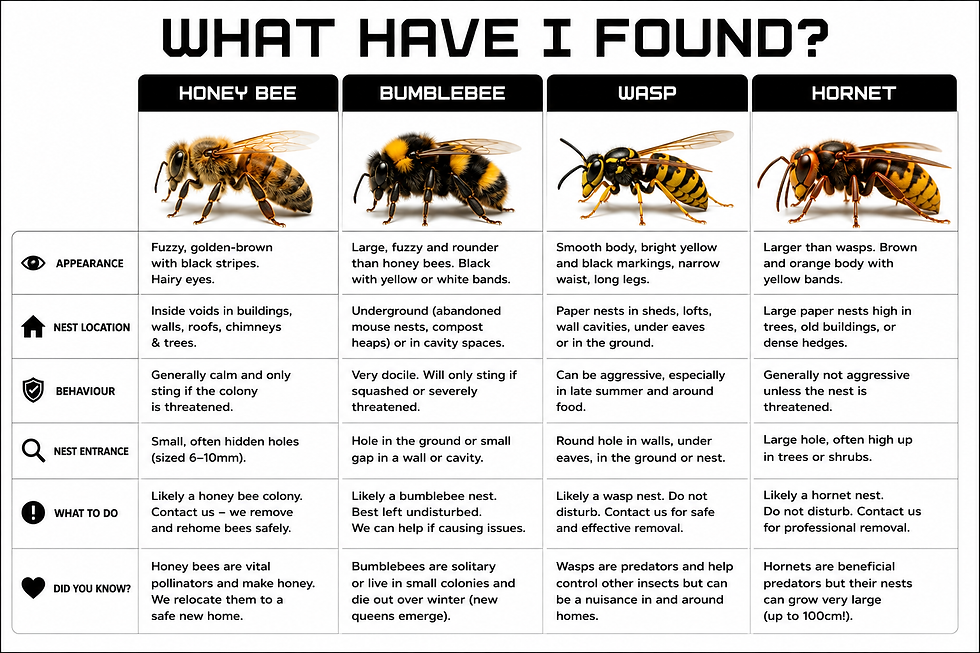
If you have a bee swarm or colony on your property contact us today, we can safely remove and rehome the bees.


Comments