
Techniques for Humane Bee Extraction Methods in the UK

Bees play a vital role in the environment. They pollinate plants and support biodiversity. However, when bees build nests in or around your property, they can cause problems. Removing them safely and humanely is important. This article explains effective techniques for humane bee extraction methods in the UK. You will learn how to handle bee infestations without harming the bees or your property.
Understanding Humane Bee Extraction Methods
Humane bee extraction methods focus on relocating bees without killing them. Bees are essential for the ecosystem, so it is better to move them rather than destroy their colonies. These methods involve careful handling and use of specialised equipment.
Some common humane techniques include:
Using bee vacuums to gently collect bees
Removing honeycombs carefully to avoid damage
Relocating the entire colony to a safe environment
Sealing entry points after removal to prevent re-infestation
Humane extraction requires knowledge of bee behaviour and safety precautions. It is best to work with professionals who understand these methods and local regulations.

Tools and Equipment for Safe Bee Removal
To perform humane bee extraction, you need the right tools. These tools help you remove bees without causing harm. Some essential equipment includes:
Bee Vacuum - A device that gently sucks bees into a container without injuring them.
Protective Clothing - A bee suit, gloves, and veil to protect you from stings.
Hive Tools - Used to carefully remove honeycombs and separate frames.
Bee Boxes or Nucs - Containers to safely transport and house the relocated bees.
Smoke Device - Produces smoke to calm bees during removal.
Using these tools correctly reduces stress on the bees and lowers the risk of injury to you. Always inspect your equipment before starting the removal process.
How to Get Rid of Bees Humanely?
If you find a bee colony on your property, follow these steps to remove them humanely:
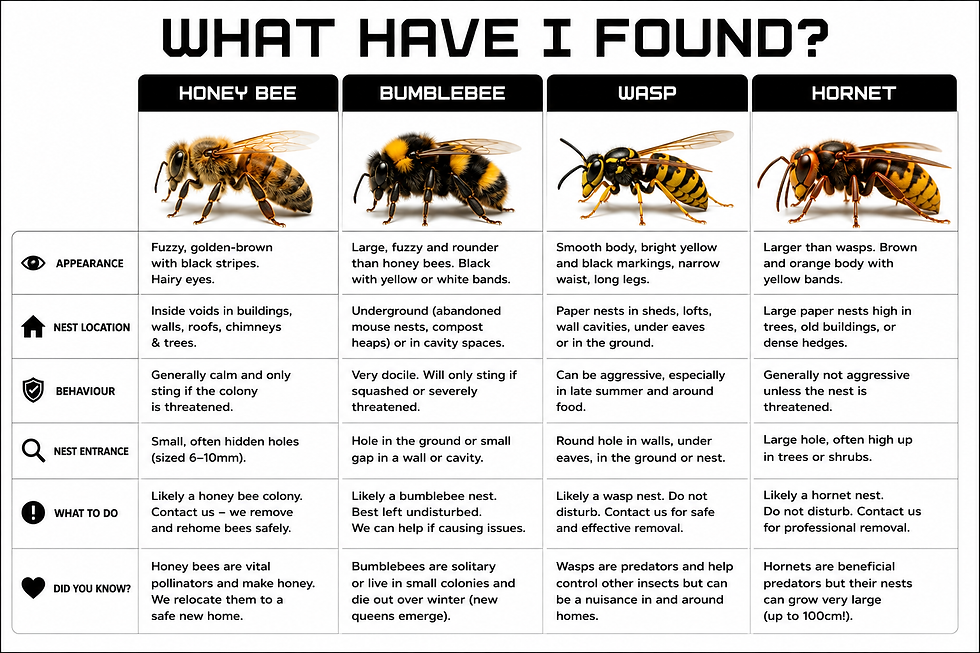
Identify the Species
Confirm that the insects are honeybees. Other stinging insects like wasps require different handling.
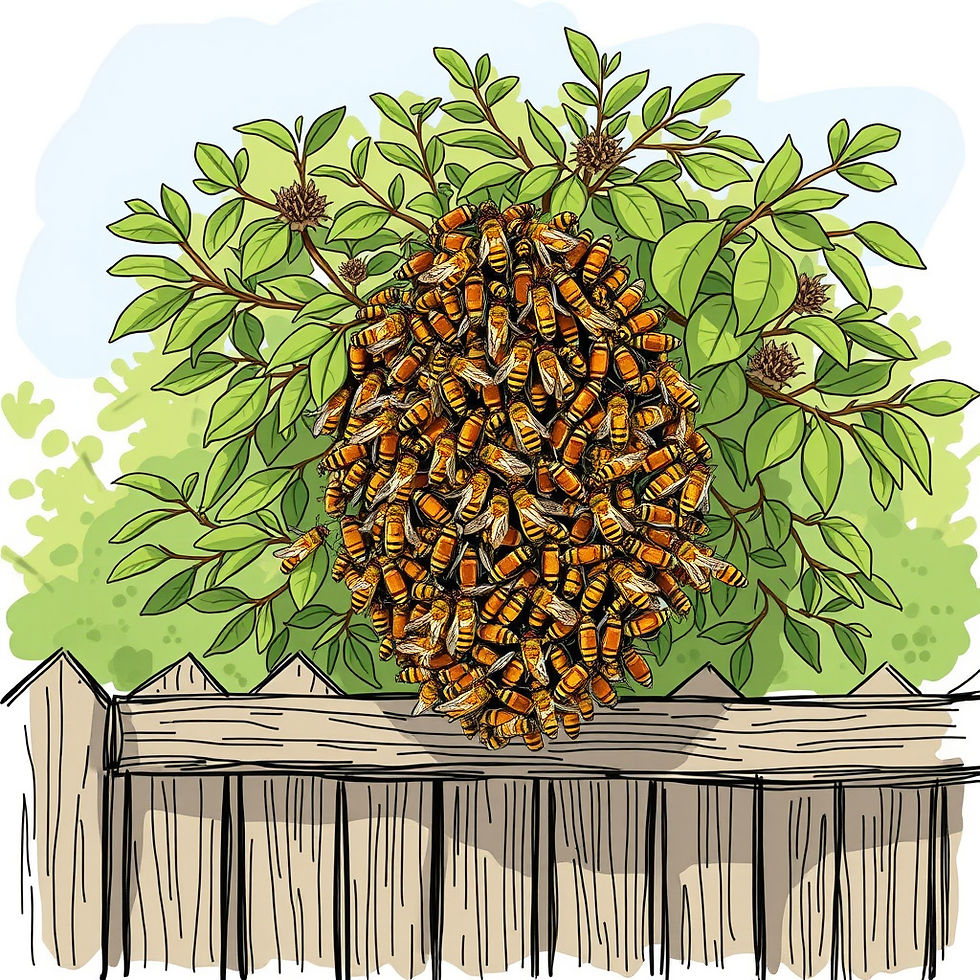
Locate the Nest
Find the exact location of the hive or colony. This helps plan the removal.
Wear Protective Gear
Put on a bee suit, gloves, and veil to protect yourself.
Use Smoke to Calm Bees
Light the smoker and gently puff smoke near the hive entrance. This calms the bees and makes them less aggressive.
Vacuum or Remove the Bees
Use a bee vacuum or carefully remove the combs with bees. Place them into a bee box or nuc.
Transport the Bees
Move the bees to a safe location where they can continue to thrive.
Seal Entry Points
After removal, seal holes or gaps to prevent bees from returning.
Avoid using pesticides or harmful chemicals. These kill bees and damage the environment. Instead, focus on relocation and prevention.

When to Call a Professional for Bee Removal
Humane bee removal can be complex and risky. If you are unsure or the colony is large, it is best to call a professional. Experts have the experience and equipment to handle bees safely.
Professional services offer:
Safe extraction without harming bees
Proper relocation to suitable habitats
Advice on preventing future infestations
Compliance with UK wildlife protection laws
You can find reliable help by searching for humane bee removal uk. Professionals ensure the process is efficient and stress-free.
Preventing Future Bee Infestations
After removing bees, take steps to stop them from returning. Prevention is key to avoiding repeated problems.
Here are some tips:
Regularly inspect your property for signs of bees
Seal cracks, holes, and gaps in walls, roofs, and eaves
Remove old beehives or honeycomb remnants
Keep outdoor bins covered and clean
Avoid planting flowers that attract bees near your home entrance
Maintaining your property reduces the chance of new colonies forming. It also protects your home and family.
Benefits of Humane Bee Removal
Choosing humane bee extraction methods has many advantages:
Protects bee populations and supports the environment
Avoids damage to your property caused by aggressive removal
Reduces risk of bee stings and allergic reactions
Complies with UK wildlife protection regulations
Promotes positive community relations by respecting nature
Humane removal is a responsible choice. It balances your needs with the wellbeing of bees.
By using these techniques, you can manage bee infestations safely and effectively. Remember to act quickly and carefully. If needed, seek professional help to ensure the best outcome for you and the bees.

Comments