
Safe Honey Bee Removal: How to Protect Your Property and the Bees

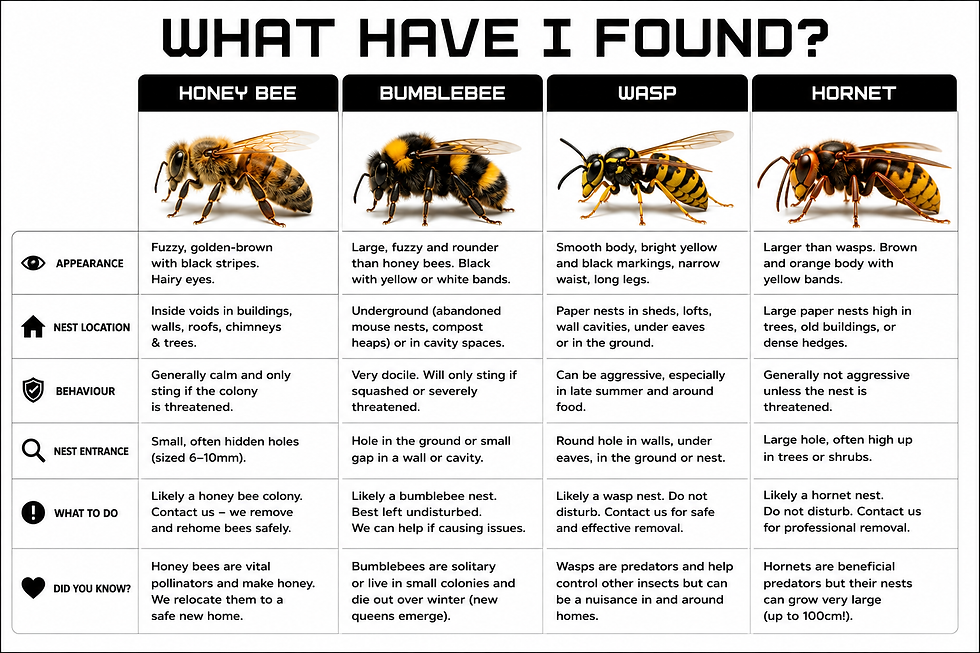
Honey bees play a vital role in the environment. They pollinate plants and support biodiversity. However, when bees build a hive in or near your home, they can cause problems. You need to remove them safely to protect both your property and the bees. This guide explains how to do that effectively.
Understanding Safe Honey Bee Removal
Removing honey bees requires care and knowledge. You cannot simply destroy the hive or use harsh chemicals. This harms the bees and can create more problems. Instead, safe honey bee removal focuses on relocating the bees without injury.
Professional bee removal experts use special equipment and techniques. They wear protective clothing and handle the bees gently. The goal is to move the entire colony to a new location where they can thrive.
If you try to remove bees yourself, you risk getting stung or damaging the hive. You may also accidentally kill the bees. This is why it is best to contact a specialist who understands bee behaviour and removal methods.

Steps for Safe Honey Bee Removal
Here are the main steps involved in safe honey bee removal:
Identify the hive location - Find where the bees are nesting. This could be in a wall cavity, roof space, or garden structure.
Assess the situation - Determine the size of the colony and the best way to access the hive.
Wear protective gear - Use a bee suit, gloves, and veil to prevent stings.
Use a bee vacuum or gentle brushing - Carefully collect the bees without harming them.
Remove the hive structure - Take out the honeycomb and brood frames.
Relocate the bees - Transfer the bees and hive to a safe new home, such as a beekeeper’s apiary.
Clean the area - Remove any remaining honey or wax to prevent other bees from returning.
Following these steps ensures the bees survive and your property is restored.
What is the 3 3 3 Rule for Bees?
The 3 3 3 rule helps you stay calm around bees and avoid provoking them. It means:
Stay at least 3 metres away from the hive.
If a bee approaches, remain still for 3 seconds.
If the bee does not leave, slowly move away for 3 metres.
This rule reduces the chance of being stung. Bees usually only sting when they feel threatened. By respecting their space, you keep yourself safe and avoid disturbing the colony.
Tools and Equipment for Bee Removal
Using the right tools makes bee removal safer and more efficient. Here are some common items used by professionals:
Bee suit and veil - Protects your body and face.
Gloves - Prevent stings on your hands.
Bee vacuum - Gently sucks bees into a container without harming them.
Hive tool - Helps remove frames and comb.
Smoker - Calms the bees by producing smoke.
Boxes or cages - Used to transport the bees safely.
You should never use insecticides or sprays. These kill the bees and damage the environment. Instead, focus on humane removal methods.

When to Call a Professional Bee Removal Service
If you find a honey bee hive on your property, consider contacting a professional. Experts have the experience and equipment to remove bees safely. They also know how to relocate the colony responsibly.
Professional services can:
Assess the hive size and location.
Remove bees without harming them.
Repair any damage caused by the hive.
Advise on preventing future infestations.
Attempting to remove bees yourself can be dangerous. You risk stings, allergic reactions, and property damage. Professionals ensure the process is safe for you and the bees.
For detailed guidance on how to safely remove honey bees, visit trusted local experts.
Preventing Future Bee Infestations
After removing a hive, take steps to prevent bees from returning:
Seal gaps and holes in walls, roofs, and eaves.
Remove old wood or debris where bees might nest.
Keep garden areas tidy and free of clutter.
Avoid leaving open containers of sugary drinks or food outside.
Regular property inspections help catch early signs of bee activity. Acting quickly can stop a new colony from establishing.
Protecting Bees While Protecting Your Property
Honey bees are essential for the environment. Removing them safely means you protect your home and support bee populations. Always choose humane methods and professional help when needed.
By following the advice in this guide, you can handle bee infestations responsibly. This approach benefits your property, your safety, and the bees that keep nature thriving.
Contact Us for Expert Bee Swarm and Colony Removal
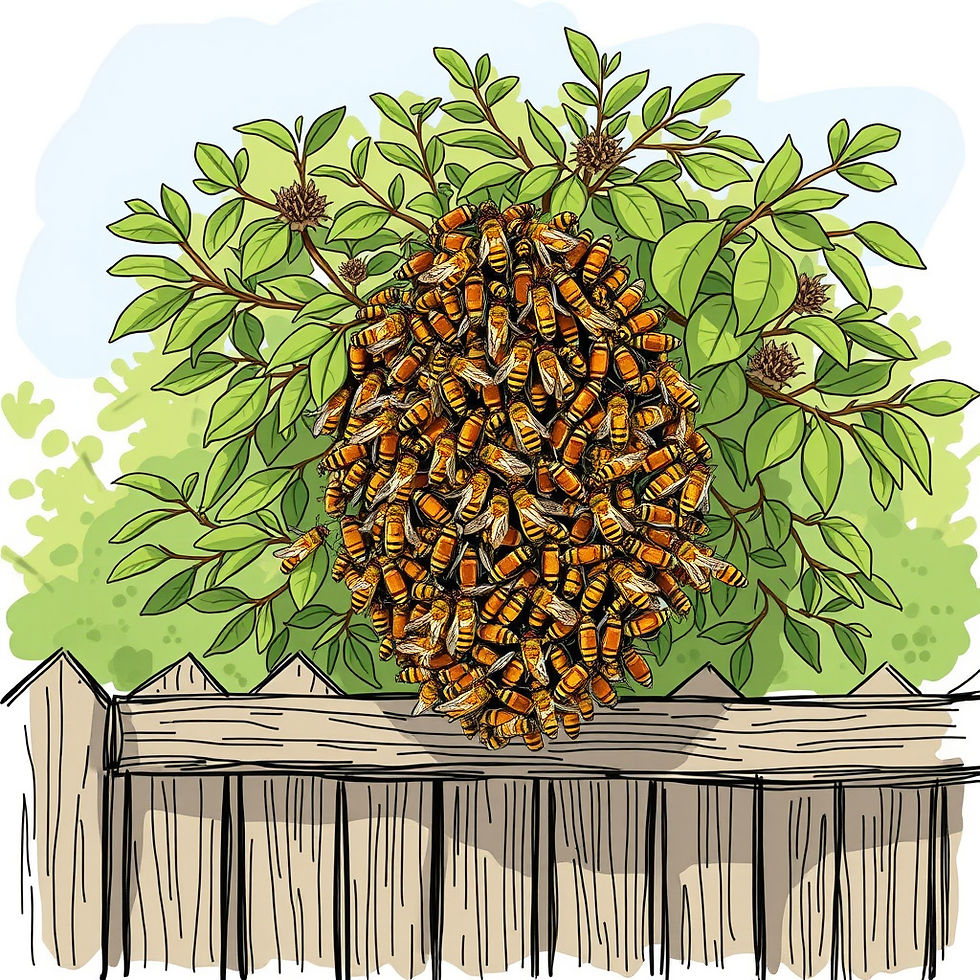
If you have discovered a bee swarm or colony on your property, it’s essential to address the situation promptly and safely. Our team of bee swarm and colony removal specialists is here to help you. We understand the importance of bees in our ecosystem and prioritize humane removal methods.
Why Choose Us?
Expert Knowledge: Our specialists are trained in safe and effective bee removal techniques.
Humane Practices: We focus on relocating bees rather than exterminating them, ensuring their survival.
Prompt Service: We offer quick response times to address your bee concerns as soon as possible.
Safety First: Our team is equipped to handle bee removals safely, protecting both you and the bees.
How to Reach Us
Don’t let a bee swarm or colony become a nuisance. Contact us today for a consultation and let our experts handle the situation. You can reach us through the following methods:
Phone: Call us at [your phone number] for immediate assistance.
Email: Send us an email at [your email address] to schedule a removal or ask questions.
Online Form: Fill out our online contact form [link to form] for a quick response.
Act Now!
Our team is ready to assist you with any bee swarm or colony removal needs. Contact us today and ensure a safe and effective removal process!

Comments